Ofcom September 30 Deadline: UK Platforms Must Detect Deepfake Intimate Images or Face Fines
Ofcom requires platforms to deploy deepfake intimate image detection by September 30, 2026. Non-compliance risks fines up to 10% of global revenue.
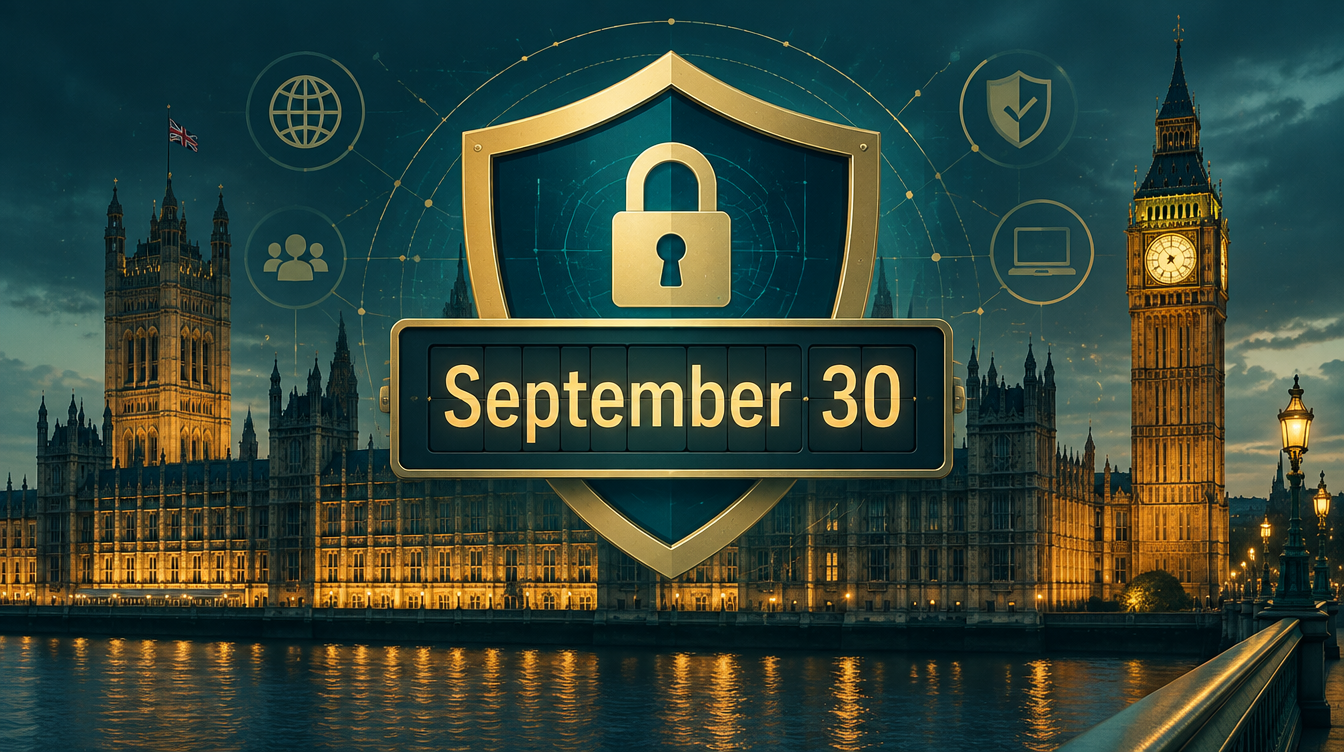
The UK's online safety regulator has set a hard deadline. By September 30, 2026, platforms must deploy automated technology to detect and block non-consensual intimate images, including AI-generated deepfakes. Platforms that fail to comply face fines of up to 10% of their global annual revenue.
What Ofcom Requires
Ofcom, the UK's communications regulator, issued enforcement guidance under the Online Safety Act requiring platforms to deploy hash-matching technology capable of detecting non-consensual intimate images (NCII). The requirement explicitly covers AI-generated deepfake intimate content, not just real photographs.
Platforms have two options. They can implement the specific hash-matching tools Ofcom has identified as effective. Or they can demonstrate that their own alternative technology achieves equally effective detection rates. "Equally effective" is not self-assessed. Ofcom will evaluate whether alternatives meet the standard.
The September 30 deadline applies to all platforms operating in the UK that host user-generated content. This includes social media platforms, messaging services with public-facing components, and content hosting sites.
The Penalties Are Real
Ofcom can impose fines of up to 10% of a platform's qualifying worldwide annual revenue. For the largest platforms, that translates to billions of pounds. For smaller platforms, the percentage still represents an existential financial risk.
This is not a theoretical enforcement mechanism. Ofcom has signaled repeatedly that it intends to use the powers granted under the Online Safety Act. The September 30 deadline is the first major test of whether platforms will comply or challenge enforcement.
Beyond the immediate deadline, Ofcom plans to consult later this year on a 48-hour removal requirement under the Crime and Policing Act 2026. If adopted, platforms would need to remove reported NCII within 48 hours of notification, adding a speed requirement on top of the detection obligation.
Why AI-Generated Content Makes This Harder
Traditional NCII detection relies on hash-matching databases. Organizations like the National Center for Missing & Exploited Children (NCMEC) and the Internet Watch Foundation maintain hash databases of known abusive images. When a platform encounters an image matching a known hash, it blocks the content.
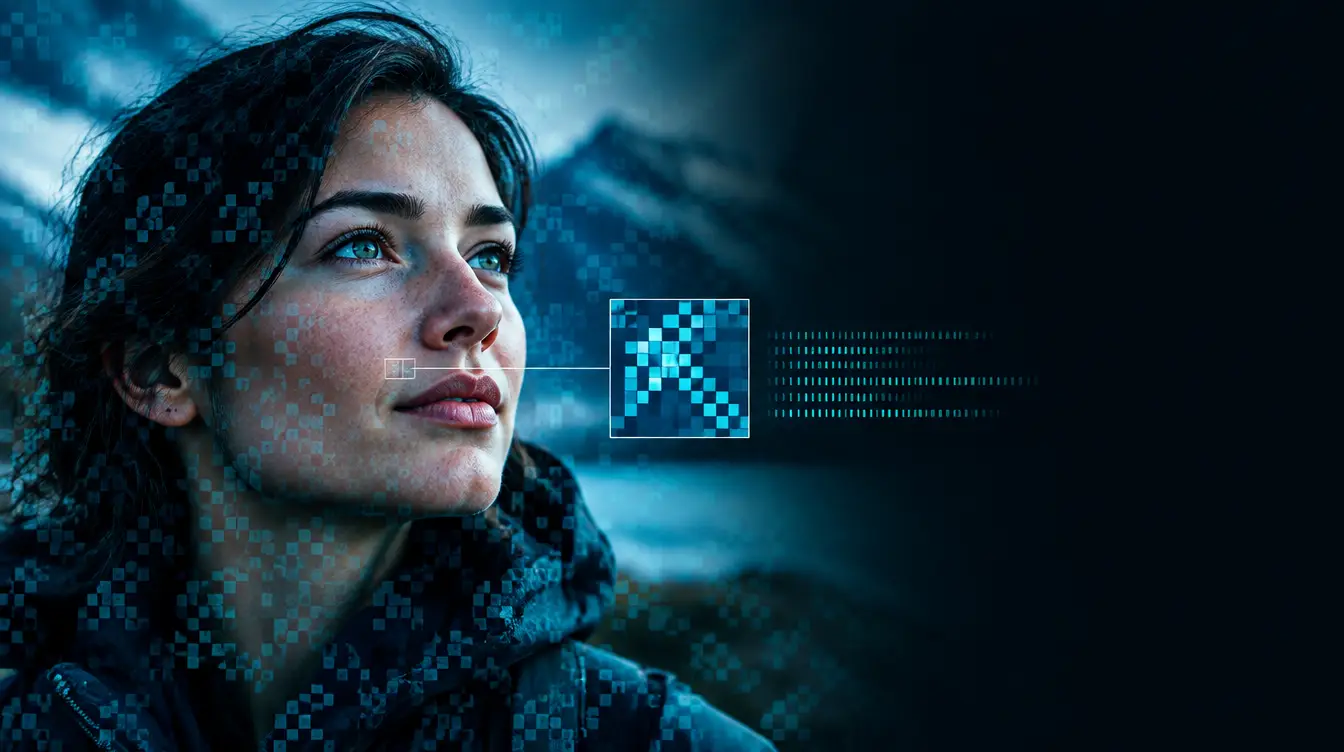
AI-generated deepfake intimate images break this model. Each generated image is unique, so it will not match any existing hash. Detection requires either perceptual hashing (which can match visually similar but not identical images) or AI-based classification that identifies synthetic content regardless of whether it has been seen before.
This is the core technical challenge Ofcom's deadline creates. Platforms cannot simply plug into an existing database. They need detection systems that can identify novel AI-generated content. The platforms that have invested in this capability will comply. Those that have relied on reactive, report-based moderation will struggle.
What This Means for You
If you are in the UK, this regulation directly affects the platforms you use. After September 30, platforms that comply should be meaningfully better at catching deepfake intimate content before it spreads. Platforms that do not comply face regulatory action that could force changes or restrict their UK operations.
If you are outside the UK, this regulation still matters. Enforcement in one major market often sets the standard for others. The EU's Digital Services Act and similar frameworks in Australia and Canada are watching Ofcom's approach closely.
For anyone concerned about deepfake intimate images, the most important thing to know is that detection technology exists and is improving. The regulatory pressure from Ofcom is accelerating platform adoption of tools that should have been deployed years ago.
Protect Yourself Today
You do not have to wait for platform compliance to verify content. Upload any suspicious image at witness.vision/scan to check whether it was AI-generated. The Witness Chrome extension lets you scan images directly on any webpage without leaving your browser.